
Conservation and Restoration of Paintings and Works of Art
Portfolio
Conservation — before and after
I photograph and document every object. Click to see the full set of photos before and after conservation.
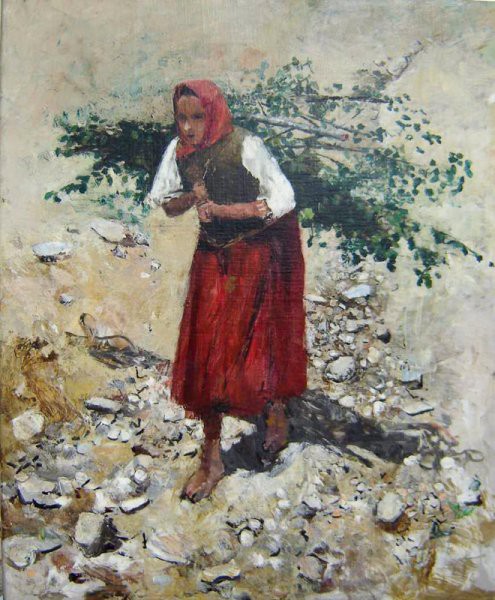
Woman with Branches — Włodzimierz Tetmajer
Sistine Madonna, after Raphael
View of Kazimierz
Jesus
Manor House
The Miracle of St Louis Bertrand
Madonna and Child, church in Rudawa
Benedictine Abbey in Tyniec, oil painting
Landscape 1
Landscape 2
Landscape with a Manor
Landscape, L. Leprou
Portrait of a Woman
Portrait of a Woman 2
Portrait of a Seated Woman
Portrait of a Queen
Portrait of a Man with a Girl
Portrait of a Nobleman
Portrait with an Ermine
The Transfiguration, church in Będzin
St John the Evangelist
Wall decoration — frieze
Portrait of a Woman in a White Dress
St Francis of Assisi
St Isidore the Farmer
St Isidore the Farmer, Holy Trinity Church in Będzin
Scope
What I conserve
Paintings
Conservation of easel paintings — oil, tempera and watercolour. Cleaning, lining, filling of losses, retouching.
Sculpture
Conservation of polychrome and gilded wooden sculpture. Structural consolidation, reconstruction of the paint layer.
Architectural elements
Conservation and restoration of architectural details — stucco, wall polychromy, altar elements.
Stages
How the conservation process works
1. Examination and documentation
I assess the condition of the object, document the damage photographically and draw up a programme of conservation treatment.
2. Quote and schedule
Based on this documentation, I prepare a quote and an estimated completion time.
3. Conservation treatment
I carry out the conservation treatment in line with the agreed programme, documenting every stage of the work.
4. Handover and recommendations
I return the finished object together with the conservation documentation and recommendations for its future care.
Before you get in touch
Frequently asked questions about conservation
Key information about the scope of the work and the conservation process.
What kinds of objects can the studio conserve?
The studio conserves oil, tempera and watercolour paintings, wall paintings, polychrome and gilded wooden sculptures, and architectural elements. View the conservation gallery — before and after →
How do I enquire about conservation?
Briefly describe the object. The form prepares an e-mail to which you can attach photographs of the whole object and close-ups of any visible damage.
How are conservation methods selected?
Methods and materials are selected individually after analysing the support, the technique used, the paint layers and the condition of the work.
What does the conservation process involve?
It includes examination and documentation, preparation of a quote and schedule, the conservation treatment itself, and handover with care recommendations.
What treatments may be carried out on a painting?
The work may include cleaning, lining, filling losses and retouching. The choice of treatments depends on the individual object.
Is the work documented?
Yes. Damage is photographed, and every stage of the work is documented.
What do I receive when conservation is complete?
The finished object is returned with conservation documentation and recommendations for its future care.
Does your work of art need conservation?
Get in touch — I will carry out an initial examination and prepare a quote.
Request an initial assessment